




















Stash App Review 2026: Is Stash Still Worth It for Beginners & Long-Term Investors?
Stash review 2026: In-depth look at fees, Stock-Back® rewards, Smart Portfolio performance, pros & cons. Is Stash worth $3–$9/mo for beginners in 2026? Full comparison vs Acorns, Robinhood & Webull.

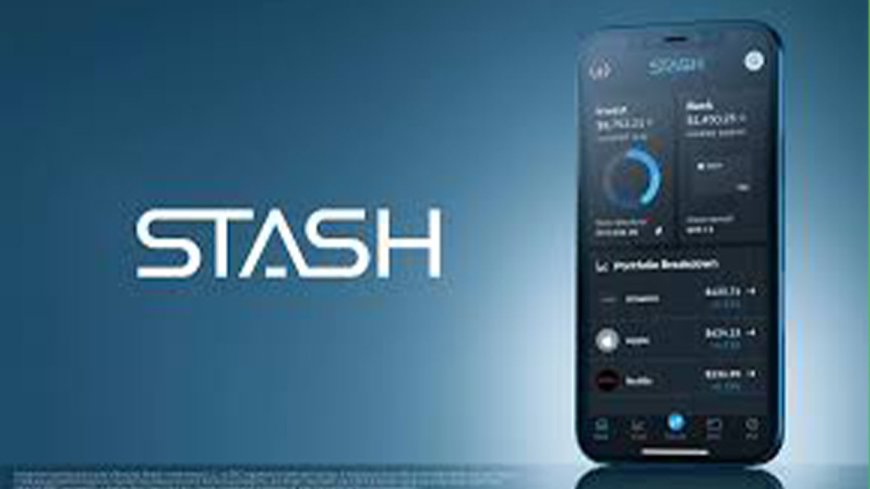
In 2026, Stash continues to be one of the most popular micro-investing apps in the United States, with over 6 million users who value simplicity, automation, and built-in financial education. Designed specifically for people who are new to investing or prefer a hands-off approach, Stash combines fractional share investing, automated portfolios, banking services, and the unique Stock-Back® rewards program. I f you’re comparing beginner-friendly investing platforms, you can also read our detailed Acorns Review 2026 on Sheynest.com.
This completely updated Stash review for 2026 covers current pricing, new features, real-world performance, pros and cons, and who should (and shouldn’t) use the platform today.
What Is Stash in 2026?
Stash is an all-in-one investing and banking app that makes building wealth accessible to everyone even if you only have $5 to start. Instead of complex trading screens, Stash focuses on:
- Guided, goal-based investing
- Automated “Smart Portfolio” management
- Fractional shares of expensive stocks and ETFs
- FDIC-insured banking with no overdraft fees
- Exclusive Stock-Back® debit card rewards paid in stock
- Traditional and Roth IRA options
- Kid-friendly custodial accounts (Stash+ only)
Think of Stash as the middle ground between fully automated robo-advisors like Acorns and self-directed brokers like Robinhood cause you get more control than Acorns but far more guidance than Robinhood. Investors who want more advanced trading tools may find our Webull Review 2026 helpful before choosing between Stash and other platforms
Stash Availability by Country (2026)
- United States → Fully available
- United Kingdom → Not available
- Canada → Not available
- Australia, EU, etc. → Not available
If you live outside the U.S., popular alternatives include Wealthsimple (Canada), Trading 212 (UK/EU), or Plum/Moneybox (UK). Stash remains U.S.-only due to strict securities regulations.
Top Stash Features in 2026
- Smart Portfolio – Automated Robo-Advisor
Answer a few risk-tolerance questions and Stash builds, rebalances, and manages a diversified portfolio of low-cost ETFs for you. Options include classic, sustainable (ESG), tech-heavy, and income-focused portfolios. - Fractional Shares Starting at $5
Invest in Amazon, Tesla, Apple, Nvidia, or any of thousands of stocks and ETFs with tiny amounts. Perfect for dollar-cost averaging on a budget. - Stock-Back® Debit Card Rewards (Still Unique in 2026)
Every purchase with the Stash debit card earns you fractional shares of the company you shopped at: - Buy coffee at Starbucks → earn Starbucks stock
- groceries at Walmart → earn Walmart stock
Base reward is 0.125%–1% on Stash Growth, up to 3%–5% on select brands with Stash+. - Full-Featured Banking
- FDIC insurance up to $250,000
- No overdraft or hidden fees
- Early direct deposit (up to 2 days)
- Round-ups that invest spare change
- Free ATM network
If you're exploring mobile banking options with high APY and fast deposits, our SoFi Checking & Savings Review 2026 is another great resource.
- Retirement Accounts
Both Traditional and Roth IRAs are available with the same fractional-share and automated options as taxable accounts. - Family Investing (Stash+ Only)
Open UGMA/UTMA custodial accounts for children and teach them investing early. - Stash Learn – Built-In Education
Hundreds of bite-sized lessons on budgeting, diversification, compound interest, and market basics completely free for all users.
Current Stash Pricing Plans (2026)
Stash uses simple flat-fee pricing instead of AUM percentages:
Stash Growth – $3/month
- Personal brokerage account
- Fractional shares
- Stock-Back® card (standard rewards)
- Banking + Round-ups
- Basic education & tools
Stash+ – $9/month
- Everything in Growth
- Smart Portfolio automated investing
- Custodial accounts for kids
- 2× higher Stock-Back rewards on many brands
- Exclusive market research & insights
- Family financial tools
Is the Monthly Fee Worth It in 2026?
The flat fee can feel expensive when your balance is small:
- $100 invested → $36/year = 36% effective fee
- $1,000 invested → 3.6% fee
- $5,000 invested → 0.72% fee
- $10,000+ invested → under 0.5% fee
Once your portfolio reaches ~$5,000–$10,000, the fee becomes very reasonable compared to traditional 1% AUM robo-advisors. The key is consistent contributions over time. If you’re considering lower-cost financial tools, our Cash App Borrow Guide explains how Cash App’s borrowing feature compares to Stash’s fixed monthly fees
Stash Performance 2025–2026
Stash Smart Portfolios delivered competitive returns during the 2025–2026 bull run, largely thanks to strong weightings in large-cap growth and technology ETFs. Moderate-risk portfolios returned approximately 18–24% in 2025 and have stayed positive YTD 2026 (as of Q4 2025 data).
Remember: Stash is not designed to “beat the market” rather it aims to match low-cost index performance minus the small monthly fee. Long-term investors who contribute regularly are the biggest winners.
Pros of Using Stash in 2026
- Extremely beginner-friendly interface
- Unique Stock-Back rewards add real value
- True set-it-and-forget-it automation
- No minimum balance penalties
- Excellent educational resources
- FDIC-insured banking + investing in one app
- Great for teaching kids about money (Stash+)
Cons & Drawbacks in 2026
- Monthly fee hurts very small accounts
- No joint accounts (except spouse IRAs)
- No advanced charting or options trading
- Limited to U.S. residents only
- No direct cryptocurrency purchasing (only through ETFs)
Active traders and cost-obsessed investors usually outgrow Stash and move to Fidelity, Vanguard, or Webull.
Who Should Use Stash in 2026? Perfect match for:
- Complete investing beginners
- People who want automation without thinking
- Busy parents or professionals
- Anyone who loves the Stock-Back concept
- Investors planning to contribute $100+/month long-term
Who Should Skip Stash? Avoid Stash if you:
- Want completely free investing (M1 Finance, Fidelity, Schwab)
- Day trade or swing trade frequently
- Already have $25,000+ and want advanced tools
- Live outside the United States
If your main goal is short-term cash access rather than long-term investing, our guides on Apps Like Dave and Apps Like EarnIn offer faster solutions
Quick 2026 Comparisons
Stash vs Acorns
- Stash = more investment choice & Stock-Back
- Acorns = slightly stronger automation & Round-Ups
- Winner depends on whether you want control (Stash) or total hands-off (Acorns)
Stash vs Robinhood
- Robinhood wins on cost (free) and active trading tools
- Stash wins on guidance, automation, and banking perks
Stash vs Webull
- Webull = advanced charts, paper trading, extended hours
- Stash = simplicity and education
If you prefer app-based banking alternatives, our Current Bank Review 2026 highlights a modern mobile bank that many Stash users also consider.
Is Stash Safe and Legit in 2026?
Yes, Stash remains highly regulated:
- Brokerage accounts SIPC-insured up to $500,000
- Banking FDIC-insured up to $250,000
- 256-bit encryption and two-factor authentication
- Registered with SEC and FINRA
No major security incidents reported in 2025–2026. Another strong alternative for fee-free banking is Varo, which you can learn about in our Varo Bank Review 2026
How to Open a Stash Account in 2026 (Step-by-Step)
- Download Stash app (iOS or Android)
- Sign up with email/phone
- Choose Growth ($3/mo) or Stash+ ($9/mo)
- Verify identity (SSN, ID photo)
- Link your bank account
- Make first deposit ($5 minimum)
- Turn on Auto-Stash or Round-Ups for automation
Most accounts are approved instantly. Real User Sentiment in 2026App Store (4.7/5) and Google Play (4.6/5) ratings remain strong. Common praise:
- “Finally an app that makes investing feel easy”
- “Stock-Back rewards actually add up”
- “Best app for teaching my teens about money”
Most common complaints:
- “$3 fee is too much when I only have $200 invested”
- “Wish it was available in my country”
Final Verdict – Is Stash Worth It in 2026?
Yes, Stash is still worth it in 2026 if you’re a beginner or intermediate investor who values simplicity, automation, and the unique Stock-Back rewards program. The platform excels at turning small, consistent investments into meaningful long-term wealth.
However, once your portfolio grows beyond $10,000–$20,000 or you want more advanced features, many users graduate to free brokers like Fidelity or Vanguard. For most new investors in the U.S., Stash remains one of the smartest places to start especially if you’ll contribute regularly and take advantage of the educational tools and rewards. Ready to begin? → Download Stash and start investing with just $5 today.
What's Your Reaction?