

















How to Get Out of Credit Card Debt Fast: A Step-by-Step Plan for 2026
Learn how to get out of credit card debt fast with proven strategies like debt snowball, debt avalanche, balance transfers, and smart budgeting tips to regain financial freedom in 2026.


How to Get Out of Credit Card Debt Fast: A Step-by-Step Plan
Struggling with mounting credit card balances? You're not alone. Millions of people across the US and UK are searching for ways to get out of credit card debt fast and the good news is, with the right plan, it's absolutely possible. Whether you owe $2,000 or $20,000, this step-by-step guide will walk you through proven strategies to eliminate your credit card debt quickly, save thousands in interest, and finally regain control of your finances.
Why Credit Card Debt Is So Dangerous (And Why You Need to Act Now)
Credit cards are one of the most expensive forms of debt available. In the United States, the average credit card interest rate hovers around 20–27% APR. In the UK, the average is slightly lower but still punishing typically 20–25% APR. This means that if you carry a balance of $5,000 and only make minimum payments, you could end up paying back nearly double that amount over a decade.
The longer you wait, the more interest compounds against you. That's why learning how to get out of credit card debt fast isn't just about financial strategy it's about protecting your future income, your credit score, and your peace of mind.
Step 1: Face the Numbers — Know Exactly What You Owe
The first step to getting out of credit card debt fast is confronting the full picture. Many people avoid looking at their statements because the numbers feel overwhelming. But you cannot build a plan around a problem you haven't clearly defined.
Here's how to do a complete debt audit:
Gather every credit card statement online or paper and create a simple list that includes:
- The name of each card or lender
- The current outstanding balance
- The interest rate (APR)
- The minimum monthly payment
- The credit limit
Once you can see all your debts laid out in one place, the path forward becomes much clearer. This exercise also helps you prioritize which debts are costing you the most, and which should be attacked first.
Step 2: Stop Adding to the Debt
This sounds obvious, but it's a step many people skip. You cannot drain a bathtub with the tap running. If you're committed to eliminating credit card debt fast, you need to stop using your credit cards for new purchases at least temporarily.
Options to help you pause credit card spending include:
Freeze your cards — literally place them in a container of water and freeze them. The small inconvenience creates a pause before impulse purchases.
Remove saved card details from online retailers, food delivery apps, and subscriptions. The friction slows spending.
Switch to a debit card or cash for everyday purchases. Studies show people spend significantly less when using physical cash compared to cards.
This step isn't forever once your debt is under control, you can return to using credit cards responsibly. But right now, it's essential to stop the bleeding.
Step 3: Build a Lean Budget That Prioritizes Debt Repayment
If you want to get out of credit card debt fast, you need more money flowing toward your balances each month. That requires a budget not a vague idea of one, but a written, specific plan for every dollar you earn.
The 50/30/20 framework is a solid starting point:
- 50% of take-home pay toward needs (rent, utilities, groceries, transportation)
- 30% toward wants (dining out, entertainment, subscriptions)
- 20% toward savings and debt repayment
However, if you want to accelerate debt elimination, consider flipping this temporarily cutting the "wants" category to 10% and throwing 40% or more at your debt. This kind of aggressive budgeting can cut your payoff timeline in half.
Common expenses to cut immediately:
- Streaming subscriptions you barely use
- Gym memberships (switch to free workouts)
- Takeaways and dining out (cook at home more)
- Unused insurance riders or premium plan upgrades
In the UK, tools like Money Dashboard or Emma can help you see where your money is going. In the US, apps like YNAB (You Need A Budget) or Mint are excellent for tracking spending and sticking to a plan.
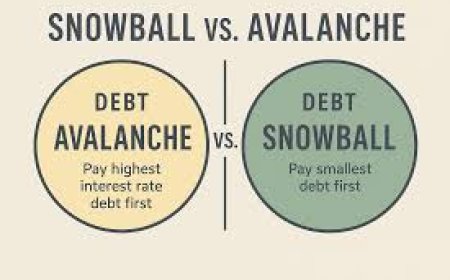
Step 4: Choose Your Debt Payoff Strategy — Avalanche or Snowball
Once you've freed up extra cash each month, you need a strategy for attacking your balances. Two methods dominate personal finance advice, and both are effective:
The Debt Avalanche Method (Best for Saving Money)
With the avalanche method, you focus all your extra payments on the card with the highest interest rate first, while making minimum payments on all others. Once that balance is cleared, you roll that payment into the next-highest-rate card.
Why it works: You pay less interest overall, which means more of your money goes to reducing the principal.
Best for: People who are motivated by math and long-term savings.
The Debt Snowball Method (Best for Motivation)
With the snowball method, you target the card with the smallest balance first, regardless of interest rate. Once it's paid off, you roll that payment into the next smallest balance.
Why it works: Quick wins build momentum and psychological motivation crucial for staying the course over months or years.
Best for: People who need early victories to stay motivated.
Which should you choose? Research published in the Harvard Business Review suggests the snowball method keeps people more engaged and results in faster payoff for many borrowers, even if it costs slightly more in interest. That said, if your highest-rate card also carries the largest balance, the avalanche method is clearly superior.
Step 5: Explore Balance Transfer Cards
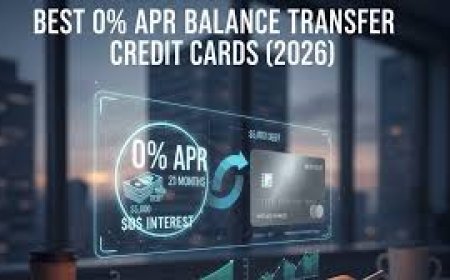
One of the fastest ways to get out of credit card debt is to reduce the interest you're paying or eliminate it entirely. A balance transfer credit card lets you move high-interest debt to a new card with a 0% introductory APR for a set period.
In the US, many cards offer 0% APR for 15–21 months. Popular options include cards from Citi, Chase, and Wells Fargo. Most charge a balance transfer fee of 3–5%.
In the UK, 0% balance transfer deals are widely available from providers like Barclaycard, MBNA, and Halifax — sometimes for 20–30 months. Transfer fees typically range from 1–3%.
How to use a balance transfer effectively:
- Calculate the transfer fee and ensure it's less than the interest you'd otherwise pay
- Transfer your highest-interest balance(s)
- Set up a direct debit for at least the minimum payment (missing a payment can cancel the 0% deal)
- Divide the total balance by the number of 0% months and pay that amount monthly so the debt is gone before interest kicks in
Important: Don't use the new card for purchases. The 0% rate typically applies only to transferred balances, not new spending.
Step 6: Increase Your Income to Pay Down Debt Faster
Cutting expenses gets you so far. Increasing income accelerates your debt payoff dramatically. Even an extra $300–$500 per month applied to your highest-priority card can shave years off your repayment timeline.
Side income ideas that work:
- Freelancing: Writing, graphic design, web development, social media management platforms like Upwork and Fiverr connect skilled workers with clients globally.
- Gig economy work: Uber Eats, DoorDash, Instacart, or TaskRabbit in the US; Deliveroo, Just Eat, or Airtasker in the UK.
- Sell unwanted items: A thorough clear-out using eBay, Facebook Marketplace, Gumtree (UK), or Craigslist can generate hundreds in a weekend.
- Overtime or a second job: Not glamorous, but highly effective. Even a part-time weekend role for three to six months can generate thousands toward your balance.
- Rent out a room or parking space: Platforms like Airbnb or SpareRoom in the UK make this accessible.
Treat every extra dollar or pound earned as debt repayment fuel. Don't let lifestyle inflation absorb your new income.
Step 7: Consider Debt Consolidation or Negotiation
If your debt is truly unmanageable think multiple cards, very high balances, and difficulty making even minimum payments you may benefit from more structural solutions.
Personal Debt Consolidation Loans
A consolidation loan rolls multiple debts into one fixed monthly payment, often at a lower interest rate than your credit cards. In the US, lenders like SoFi, LendingClub, and Marcus by Goldman Sachs offer unsecured personal loans that can be used for this purpose. In the UK, high-street banks and lenders like Tesco Bank and Zopa offer similar products.
The key is discipline don't accumulate new credit card debt once the old balances are cleared.
Negotiate Directly With Creditors
Many people don't realize that credit card companies will sometimes negotiate especially if you're already behind on payments. Call your lender and ask about:
- Hardship programs (temporarily reduced interest rates or waived fees)
- Settlement offers (paying a lump sum for less than the full balance impacts your credit)
- Extended payment plans
In the UK, organizations like StepChange and Citizens Advice offer free debt management plans and negotiation support. In the US, the National Foundation for Credit Counseling (NFCC) provides accredited counseling services.
Step 8: Track Your Progress and Stay Motivated
Paying off credit card debt is a marathon. The average person in debt takes 12–36 months to fully pay off balances, depending on the amount and income. Staying motivated across that timeline requires intentional effort.
Strategies to keep going:
- Celebrate milestones. When you pay off your first card, or hit $1,000 paid down, acknowledge it. Treat yourself modestly a nice home-cooked meal, not a shopping trip.
- Use a visual tracker. A simple printed debt payoff chart on your fridge colored in as balances drop — makes progress feel real and satisfying.
- Join a community. Subreddits like r/personalfinance and r/debtfree are filled with people on the same journey. Sharing progress and reading others' success stories provides genuine encouragement.
- Automate payments. Set up auto-payments for at least the minimum on all cards, plus your targeted extra payment on your priority card. Automation removes the temptation to spend that money elsewhere.
How Long Does It Take to Get Out of Credit Card Debt?
The timeline depends on three factors: total debt, interest rate, and monthly payment amount. Here's a rough illustration:
|
Balance |
APR |
Min Payment Only |
Aggressive Payment ($500/mo) |
|
$5,000 |
22% |
10+ years |
~11 months |
|
$10,000 |
22% |
15+ years |
~22 months |
|
$20,000 |
22% |
20+ years |
~4 years |
Aggressive repayment doesn't just save time it saves enormous amounts of money in interest. On a $10,000 balance at 22% APR, minimum payments alone could cost you more than $12,000 in interest. Paying $500/month could cut that interest cost to under $2,000.
Final Thoughts: Your Debt-Free Future Is Achievable
Getting out of credit card debt fast requires honesty, discipline, and a solid plan — but it is absolutely within reach for most people. Start with a clear picture of what you owe, stop adding new debt, build an aggressive budget, pick your payoff strategy, and explore tools like balance transfers and consolidation loans to reduce your interest burden.
Every extra payment you make today is buying back your financial freedom. The habits you build during this process budgeting, saving, intentional spending will serve you for life, long after the last credit card balance hits zero.
Start today. Your future self will thank you.
This article is for informational purposes only and does not constitute financial advice. For personalized guidance, consult a qualified financial advisor or accredited credit counselor.
Recommeded posts
7 Proven Budgeting Tips to Create a Financial Plan for Any Income in 2026
How to Escape the Rat Race in 2026: Proven Steps to Financial Freedom
How to Save for a Home Deposit in 2026: Practical Tips and for Homeownership
What's Your Reaction?